.png)
On the afternoon of March 11, 2026, the 32nd session of the “One Yuan Coffee” alumni exchange event was held at Zhongshan Indian Kitchen Food Co., Ltd., an alumni enterprise. Centered on the theme “Entrepreneurial Breakthrough: Practical Insights from Channel Development to Model Innovation,” the event invited Mr. An Jiale, a 2012 graduate in Food Science and Engineering and Executive Director of the company, to lead students into the production front line for an engaging and insightful learning experience.
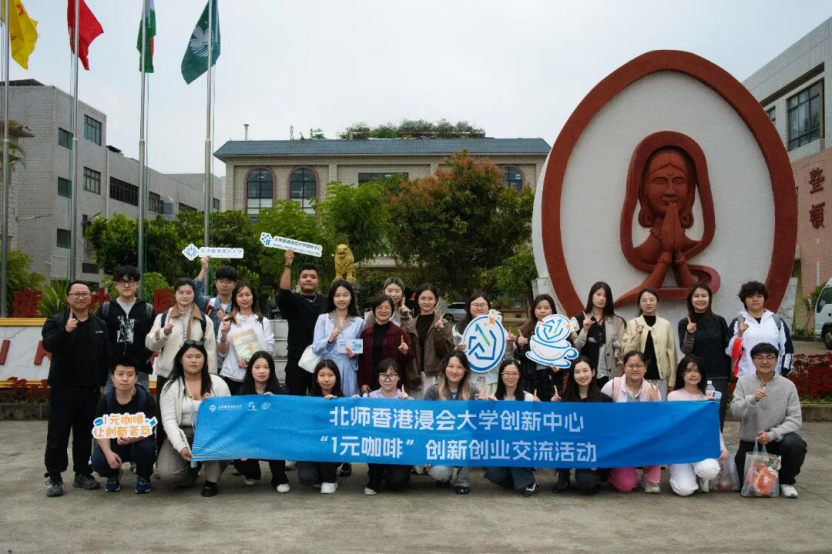
Without elaborate PowerPoint slides or scripted speeches, Mr. An shared his story with sincerity and clarity. He spoke about his reflections after returning to China, his observations on the food industry, and his journey from helping with the family business to exploring the innovative model of the Shared Workshop.
Not a Start-up Founder, but a Change-Maker
Mr. An described his return to China not as “starting a business,” but as “helping out with the family business.” Unlike many students whose entrepreneurial journeys begin with competitions or start-up projects, his path began with returning to and continuing a family enterprise. Yet for him, inheritance did not mean standing still.
When he saw that the family factory, after years of operation, was still focused mainly on curry paste and curry powder, he realized that change was necessary. As he put it, even he had grown tired of looking at the same products, let alone the customers. That feeling became one of the key motivations behind his efforts to transform the business.

During his years abroad, he observed significant changes in the food manufacturing industry. In the past, factories and brands were often integrated, but increasingly factories now focus on production while branding is handled by specialized operators. What he noticed, however, was not only a trend but also a challenge.
For many young people hoping to build their own brands, the threshold for OEM manufacturing is extremely high. Minimum order quantities are often enormous, bringing major financial pressure and inventory risks. Factories aim to maximize profit, while brands try to minimize cost, which naturally creates tension between the two sides.
Pioneering the Shared Workshop as a Brand Incubator
Based on these observations, Mr. An proposed the Shared Workshop model. Rather than being a simple version of contract manufacturing, this model represents an innovation in business thinking. By relying on the factory’s stable production capacity and opening up its surplus resources, the company allows new brands to get started at a much lower cost. Profit is not the first priority; long-term growth and mutual success are.
How the Shared Workshop differs from traditional OEM
In the traditional OEM model, the factory and the brand often stand on opposite sides. The factory wants profit, while the brand wants lower costs, and the high minimum order requirement places heavy risks on the brand side.
In contrast, the Shared Workshop model aligns the interests of both sides. The factory positions itself as a food incubator. Instead of focusing on short-term processing fees, it aims to grow together with the brands it supports.
How the model works
At the early stage of cooperation, the workshop adopts a cost-based approach. Brand partners only need to cover the costs of raw materials, packaging, and labor. The workshop does not take profits at this stage, which lowers the barrier to entry to around 30,000 to 50,000 RMB.
The model also involves comprehensive resource sharing. Brand partners are given access to production lines, procurement channels, laboratories, R&D personnel, and even customer resources. This allows them to focus on product development and market expansion while the workshop handles production, warehousing, and quality control.
Once a brand matures, the workshop begins to earn a reasonable share of revenue. As more brands join, the cost advantages of centralized procurement become even stronger, forming a positive and sustainable cycle.
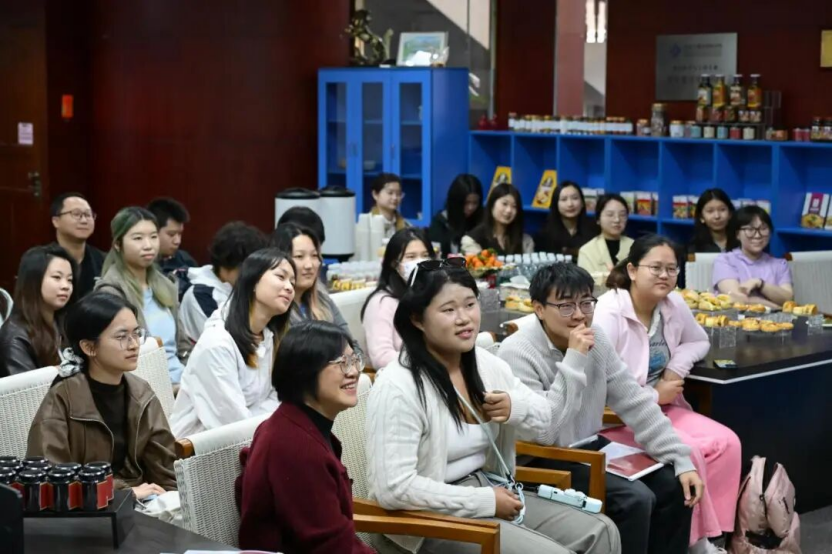
From “What Do I Want to Sell” to “What Does the Market Need”
When discussing channel development, Mr. An shared a particularly memorable idea. Instead of always asking, “What do I want to sell?”, he believes entrepreneurs should ask, “Who needs what?”
He used the shipping industry as an example. While browsing social media, he learned that a large proportion of the world’s seafarers are Indian. Since ocean-going ships require a steady supply of food during long voyages, this group represented a highly specific and relevant customer base for his products.
Rather than promoting blindly, he researched shipping companies, identified procurement managers, sent samples to the right people, and followed up through phone calls. In this way, he planted the seed early, so that when demand eventually arose, his company naturally came to mind.
Today, the company has become a legitimate and compliant supplier of Indian food products to ocean-going vessels in China and has secured a considerable share of this niche market. The case clearly illustrates his view that finding the right people who need your product is far more important than simply trying to sell to everyone.
Q&A Session
The interactive session was equally impressive. In response to students’ sharp questions about brand selection criteria and product quality assessment, Mr. An offered practical and direct answers.
When it comes to selecting brands, he believes the most important factor is the person behind the brand. If someone only cares about cutting costs and making quick money, then the partnership is unlikely to work. He prefers to support entrepreneurs who are deeply committed to their products and genuinely want to build something meaningful.
As for judging product quality, he encouraged students to start by reading the ingredient list. Since ingredients are listed in descending order by content, the first ingredient is usually the main component. In general, a shorter and simpler ingredient list often suggests a better product.
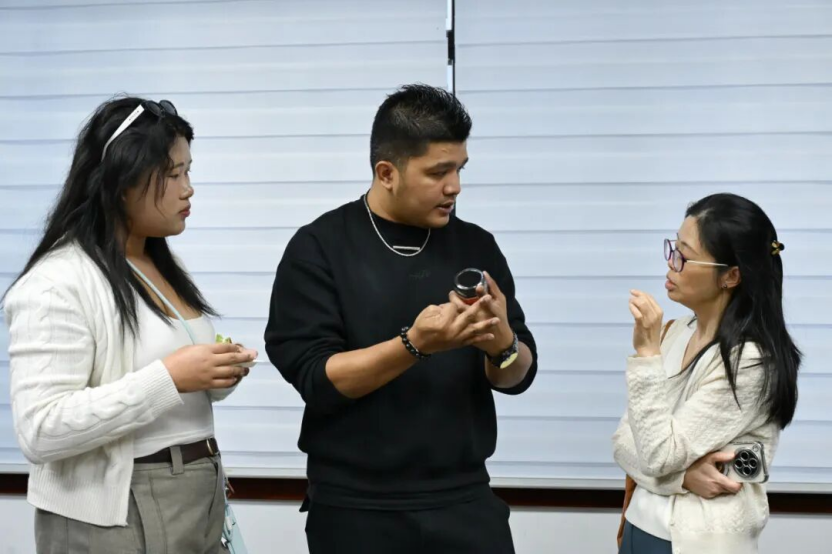
He shared his experience studying in Canada: to get into a food factory, he started as a supermarket shelf stocker and worked his way up through internal transfers to finally achieve his goal. “Don't be afraid of jobs that don't look impressive, don't be afraid of wasting time”, he encouraged his juniors. “Your greatest asset is your youth. Experience more, learn more. Only by experiencing setbacks can a person truly grow.”
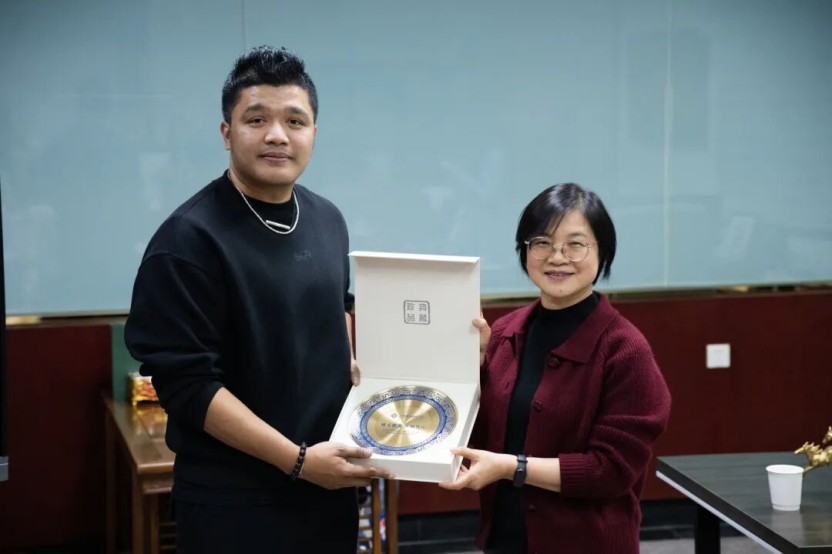
Ms. Lin Meiyu (right) from the Innovation Centre presented a university souvenir to alumnus An Jiale (left).
Conclusion
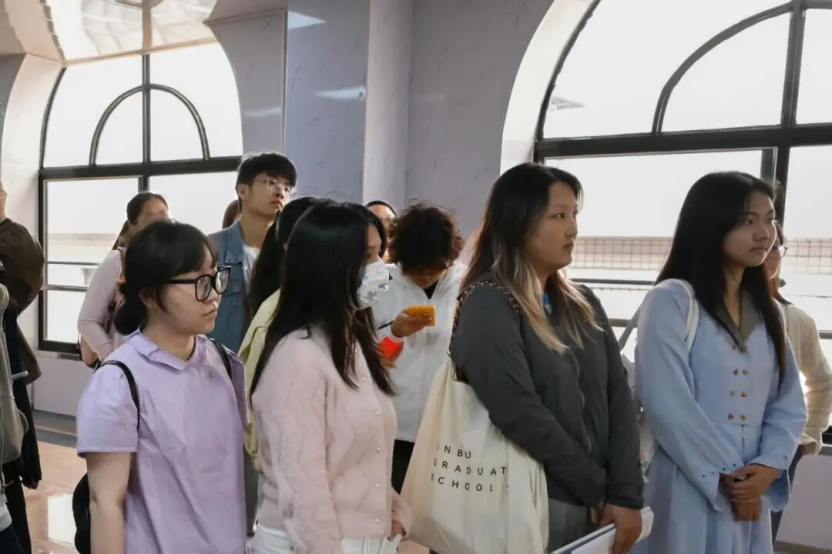
After the sharing session, Mr. An led the students into the production workshop, where they observed the full process from raw material storage to finished product packaging. To everyone’s delight, he had also prepared gifts for the participants, including the company’s signature curry pastes and Southeast Asian-style seasonings.
Through his practice, Mr. An demonstrated to his juniors how a traditional enterprise can innovate while inheriting the legacy and solve industry difficulties. His “Shared Workshop” not only provides fertile ground for emerging brands to grow, but also gives students a more authentic understanding of innovation and entrepreneurship. He told the story of a traditional food factory in a way that had more “flavor” than curry itself.