Early summer, humid, Beijing's East Third Ring Road.
I was preparing interview questions as wind driven rain tapped against the window screen.
On the phone, Liu Xiaohan (Eric) spoke from Zhongguancun, calm and clear, with faint keyboard clicks in the background. This online interview, bridging half of Beijing, began in the rain. He was in the city's tech innovation hub, and I was in the southeast business district. Kilometers apart, yet connected by a conversation about university, career, and the times.
As a member of BNBU's second cohort, from English only classrooms to the turbulent capital markets, and then to the financial helm of a family business, Liu Xiaohan shares a fifteen-year professional journey. It is a story of personal commitment to one's interests, and of the choices and breakthroughs shaped by the economic cycles of an era.
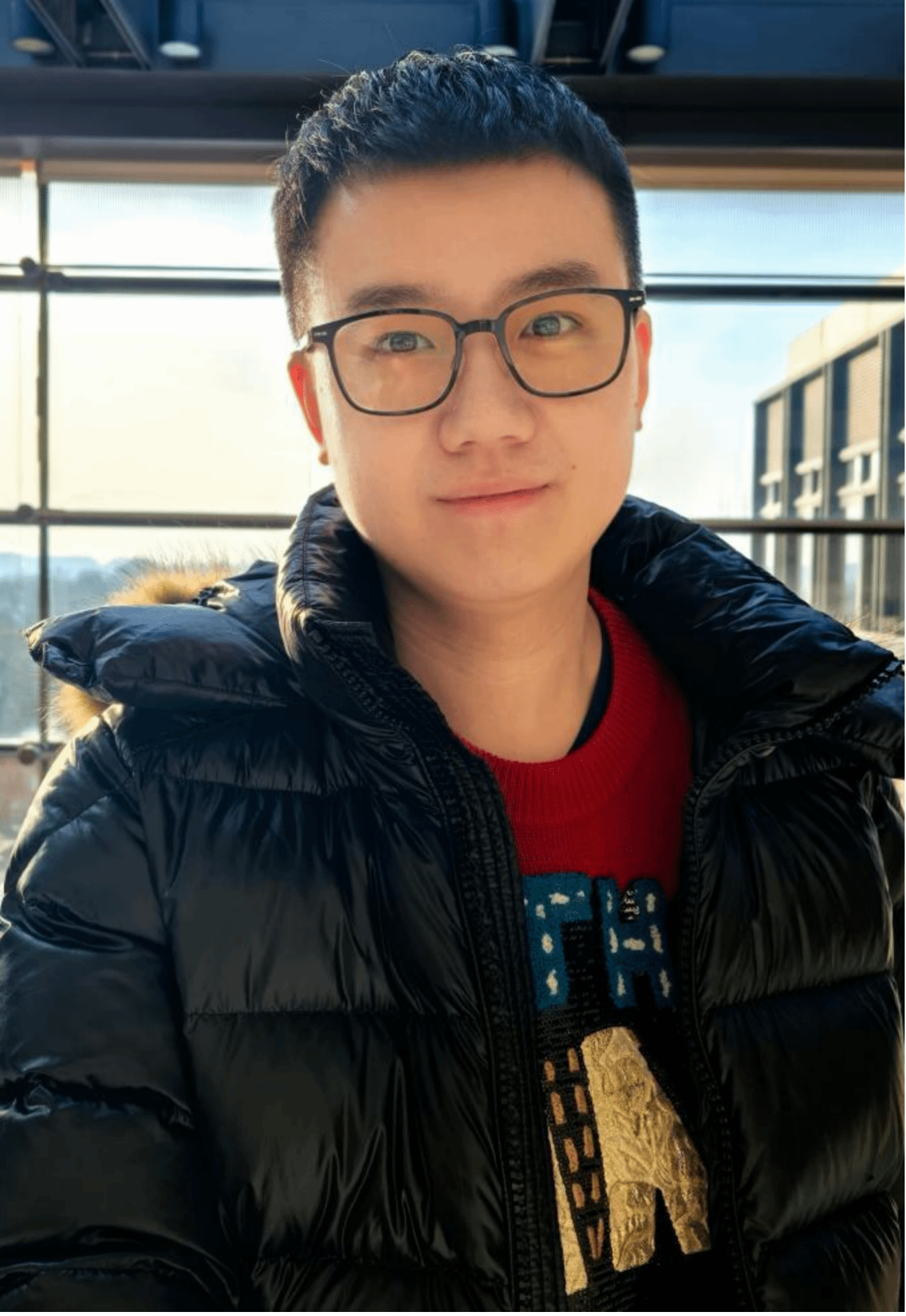
Alumnus, Class of 2010, Finance
Vice President and Chief Financial Officer, Beijing Konruns Pharmaceutical Co., Ltd.
From UIC to BNBU: A Name Change, A Cognitive Shift
"My first reaction to the name change was that it felt clean and simple," Liu Xiaohan says with a smile.
I asked if he had any deeper thoughts beyond the conciseness.
"Of course," he says. "The old name was too long and clunky. It hurt the university's public recognition. Now 'BNBU' is much sharper. That definitely helps the brand."
I brought up the old "diploma mill" rumors and asked if anyone ever doubted his choice because the name was unfamiliar.
He laughs. "Not really. We knew it was the first joint venture between a mainland and a Hong Kong university. The philosophy was cutting edge, and there was a dual degree. Those advantages far outweighed any name related issues."
BNBU Journey: Enlightenment and Deep Interest
"One word to describe BNBU's meaning to me? Enlightenment," Liu Xiaohan says firmly.
I asked where that enlightenment came from. The courses? Teachers? Campus vibe?
"All of it," he says. "Our investment teacher didn't follow a textbook. He had us open real stock accounts. I still remember the first time I analyzed a company's financial report. That clash between books and reality sparked my love for making money work."
He says the daily discussions over K line charts were something traditional education could never offer.
I then asked about the freedom he mentioned earlier.
"We had lots of time to explore our interests. Hitting the library for investment books, discussing markets with friends, trading stocks with pocket money. High table dinners taught etiquette. Frequent class presentations helped me adapt to professional roles early. Given the gap between teaching and reality in many systems, this was a rare and valuable experience."
He gave an example. Foreign teachers often assigned tasks like "analyze a company's investment value" and present for 15 minutes in English. Classmates could interrupt with questions. That training later made him incredibly calm during workplace presentations.
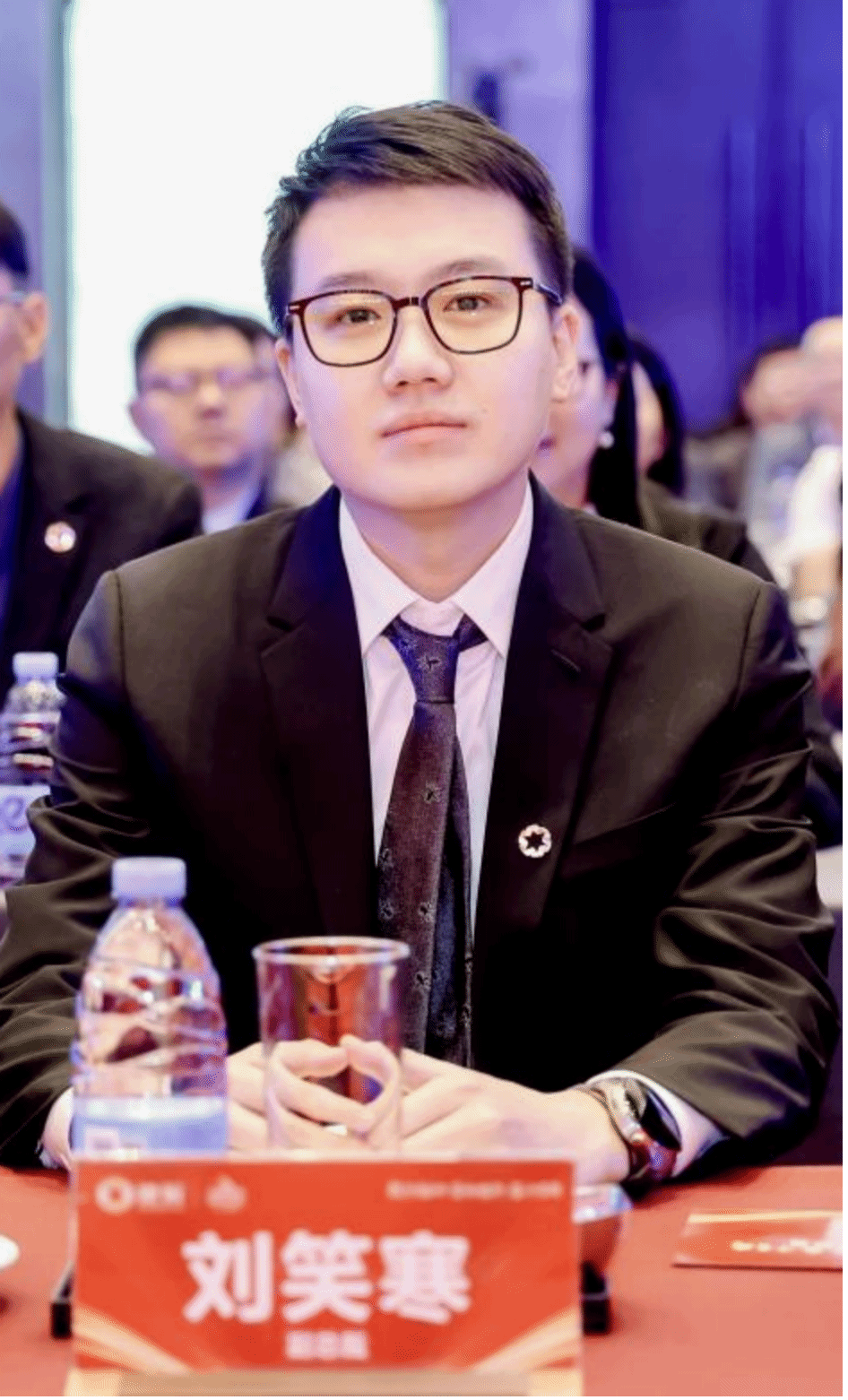
A recent photo of Liu Xiaohan at work
Professional Journey: From Independent Investing to Corporate Finance
After graduating in 2010, Liu Xiaohan was like most fresh grads: lost but bold.
I asked how he balanced his "main job" with his "interest" in stock trading.
"Back then, society looked down on stock trading as not a real job," he laughs. "So I studied K lines and tracked policies in my spare time, gradually applying class knowledge to real trading. I never saw it as balancing anything. It was just an interest."
Regarding his experience with "phased financial independence," I asked if it was based on judgment or luck.
"Some luck, but mostly confidence from prior accumulation," he says seriously. "I had studied tons of company reports and industry trends. It felt like a big opportunity. Of course, courage was needed too. Like parents who 'plunged into business,' taking risks was the only way to get returns."
I then asked about his transition to the family business as CFO.
"The biggest challenge was shifting from 'my own call' to 'responsible for the team,'" he admits. "Building a team, setting up risk controls, planning career paths for staff, meeting financial targets. But the good thing is, secondary market and corporate finance operate on similar logic. Both require understanding data, trends, and risk. Since the work was professionally related, the transition was fairly smooth."
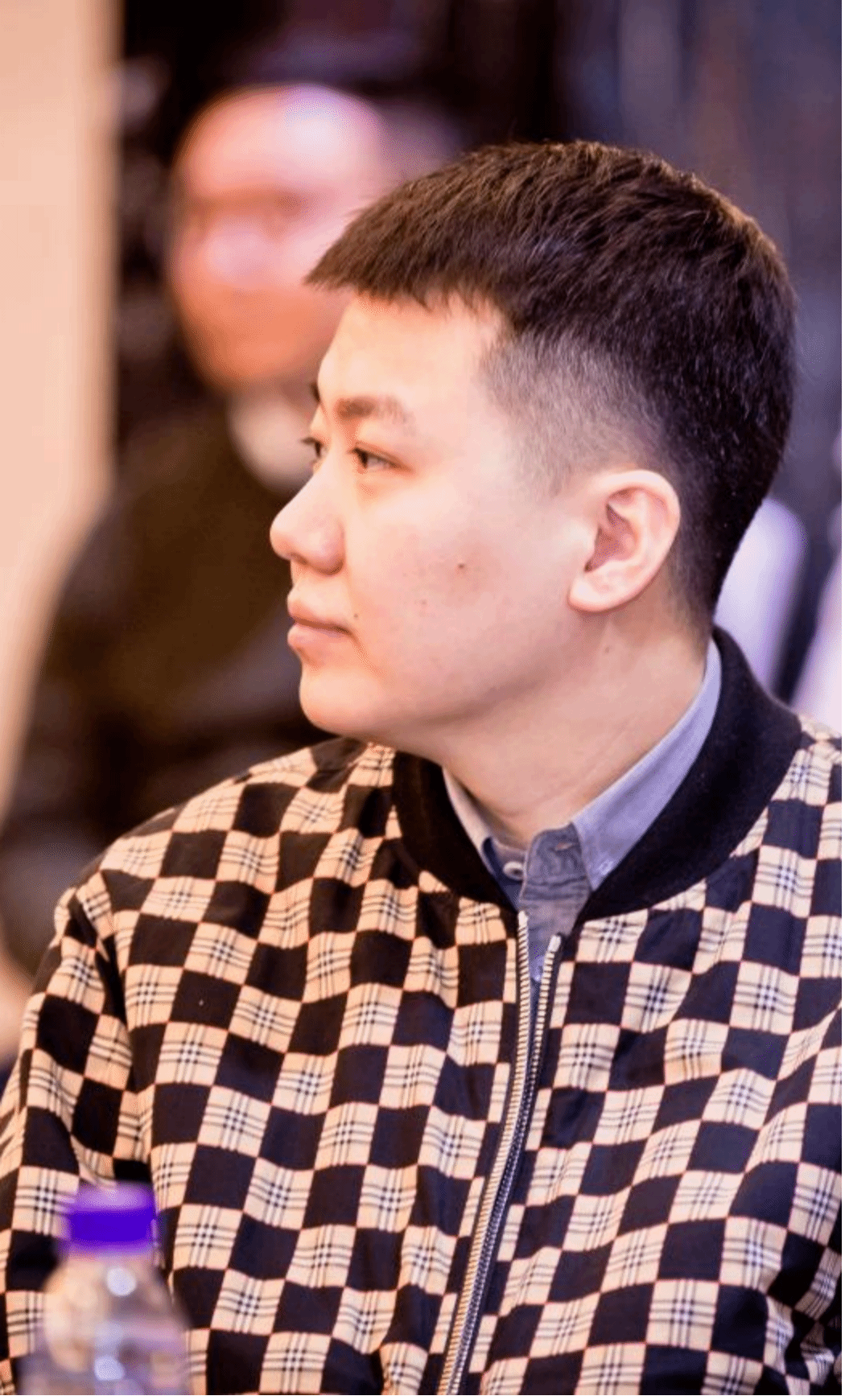
A recent photo of Liu Xiaohan
Ties to Alma Mater: Enlightenment and the Power to Move Forward
'The current generation finds it much harder to start businesses than we did back then, and it's difficult to establish professional barriers now,' Liu Xiaohan stated frankly.
Combining the current job market, I followed up and asked, 'In your opinion, what are the differences in requirements for entrepreneurs now compared to when you graduated, in terms of the economic cycle?'
'Back then, it was an economic boom period, with demand for labor exceeding supply, and the cost of trial and error was low; now, it's a downturn, everyone is 'cutting throat,' and the requirements for basic skills are high, ' he analyzed.
'Moreover, there are too many mature models now. If a project lacks barriers, it's很容易被复制 very easy to be replicated, and the probability of failure is very high.'
' So you advise fresh graduates to 'work first, then start a business,' thinking that young people lack certain experiences?' 'Too many,' he listed, 'industry understanding, management skills, organizational and coordination skills, financial knowledge, and a well-formed team—all these need to be accumulated in the workplace, and then use these resources to build professional barriers for oneself. Otherwise, starting a business is like a battle on paper, with a high probability of failure.'
When mentioning the risks of 'crossing boundaries,' I gave an example: 'Now there's the term 'slash youth,' how do you view this model of developing in multiple fields?'
'Human time and energy are limited,' he frankly admitted, 'unless one is a genius like Musk, ordinary people find it hard to excel in multiple fields. The scattergun approach doesn't accumulate resources and instead diverts focus. Most people I know who cross boundaries have failed.'
School Affection: The Power of Enlightenment and Progress
"BNBU was an enlightening teacher for my career," Liu Xiaohan says warmly. "It was my turning point from ignorance to maturity."
I asked what he thinks is BNBU's greatest educational success.
"Helping students find and deeply pursue their interests," he says. "Four years gave me time to explore. High table dinners made me nervous. Presentations made me forget my words. But these attempts slowly helped me find my direction."
His advice for incoming students? "Don't be too anxious. First, adapt to college life. Grades matter, but finding your interest matters more. Keep trying. You'll eventually find it."
He adds, "Understand the difference between books and reality. But fresh graduates may not need that yet. Just enjoy university life and be ready to adapt."
Finally, I asked him to speak to his younger self, fifteen years ago. He says firmly, "Follow your interests. Don't regret it. I chose finance because I wanted to know how to make money work for me. There have been bumps, but I chose the right direction. I have a natural interest in it. Others can try thinking about their own future this way too."
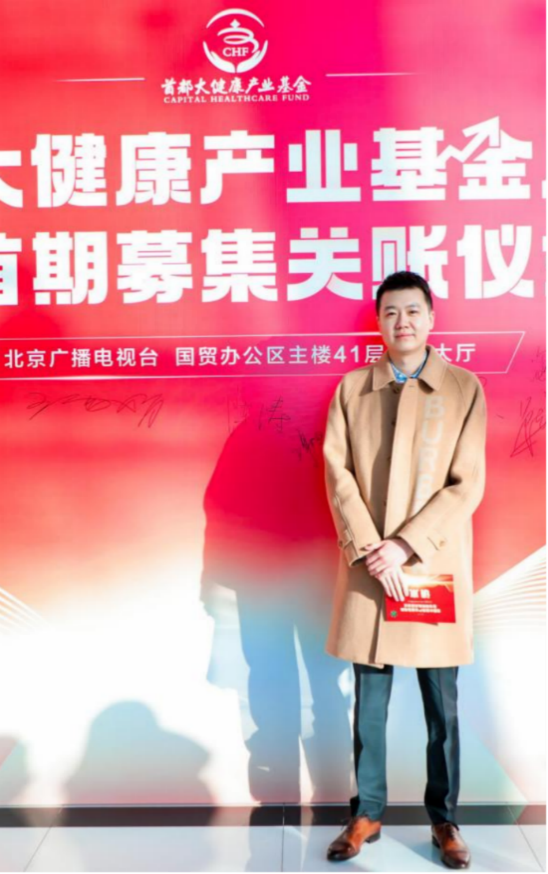
A recent photo of Liu Xiaohan at an event
After the rain stopped in Beijing, the air carried a cool, refreshing dampness. Liu Xiaohan's story reflects an ordinary student's steadfast dedication to his interests. More than that, it reveals how a university, through its spirit of openness and hands-on learning, has paved the way for its students to grow. Fifteen years later, the answer is found in a dog-eared investment textbook sitting in a corner of his office, as well as in every determined step he has taken from campus to the world of capital. For BNBU, the 20th anniversary is not an end point. It is a new beginning for more alumni like Liu Xiaohan, who carry the mark of "enlightenment" and continue to write remarkable stories in their respective fields.
Written by Dong Anjiang, Class of 2024, Master of Communication Studies, BNBU.
【Company Introduction】
Beijing Konruns Pharmaceutical Co., Ltd.
Beijing Konruns Pharmaceutical Co., Ltd. was established in September 2003 and is headquartered in the Economic Development Zone of Miyun District, Beijing. The company was listed on the main board of the Shanghai Stock Exchange in 2018 (Stock Code: 603590). It is a joint venture between Mainland China, Hong Kong, Macao, and Taiwan, with a registered capital of 120 million RMB. The company primarily engages in the production of freeze-dried powder injections, biochemical active pharmaceutical ingredients, and anti-tumor tablets. Its core product is the national Class I new drug "Suling" (Hemocoagulase from Deinagkistrodon acutus venom).
Since its inception, the company has consistently focused on the R&D of innovative drugs. In 2019, it ranked 70th on the "Top 100 Chinese Chemical Pharmaceutical Enterprises" list. In 2022, it initiated the Phase III clinical trial for the innovative Traditional Chinese Medicine (TCM) herb, Jincao Tablet. In 2023, it received approval to conduct a Phase II clinical study of KC1036 for the treatment of advanced lung adenocarcinoma and a Phase II trial for thymic tumors. The same year, the registration application for its veterinary product, Canine Hemocoagulase for Injection (Deinagkistrodon acutus venom), was accepted for review. In 2024, KC1036 entered the Phase III clinical stage for esophageal squamous cell carcinoma, and the Phase III trial for the innovative TCM ZY5301 was unblinded, meeting its primary study endpoint. (Excerpted from Baidu Baike)
Industry: Pharmaceutical Manufacturing
Company Locations:
• No. 11, Shengxing South Road, Economic Development Zone, Miyun District, Beijing
• Building 3, No. 7, Science Park Road, Zhongguancun Life Science Park, Changping District, Beijing
Entrepreneurial Alumni Stories
Share your story. Your alma mater remembers.
Whether near or far, your time at BNBU is a treasure we all share. We look forward to hearing your unique stories. To be interviewed, please contact: ic@bnbu.edu.cn